Kenya Real Estate Trends 2026: Insights from Africa's Urban Future
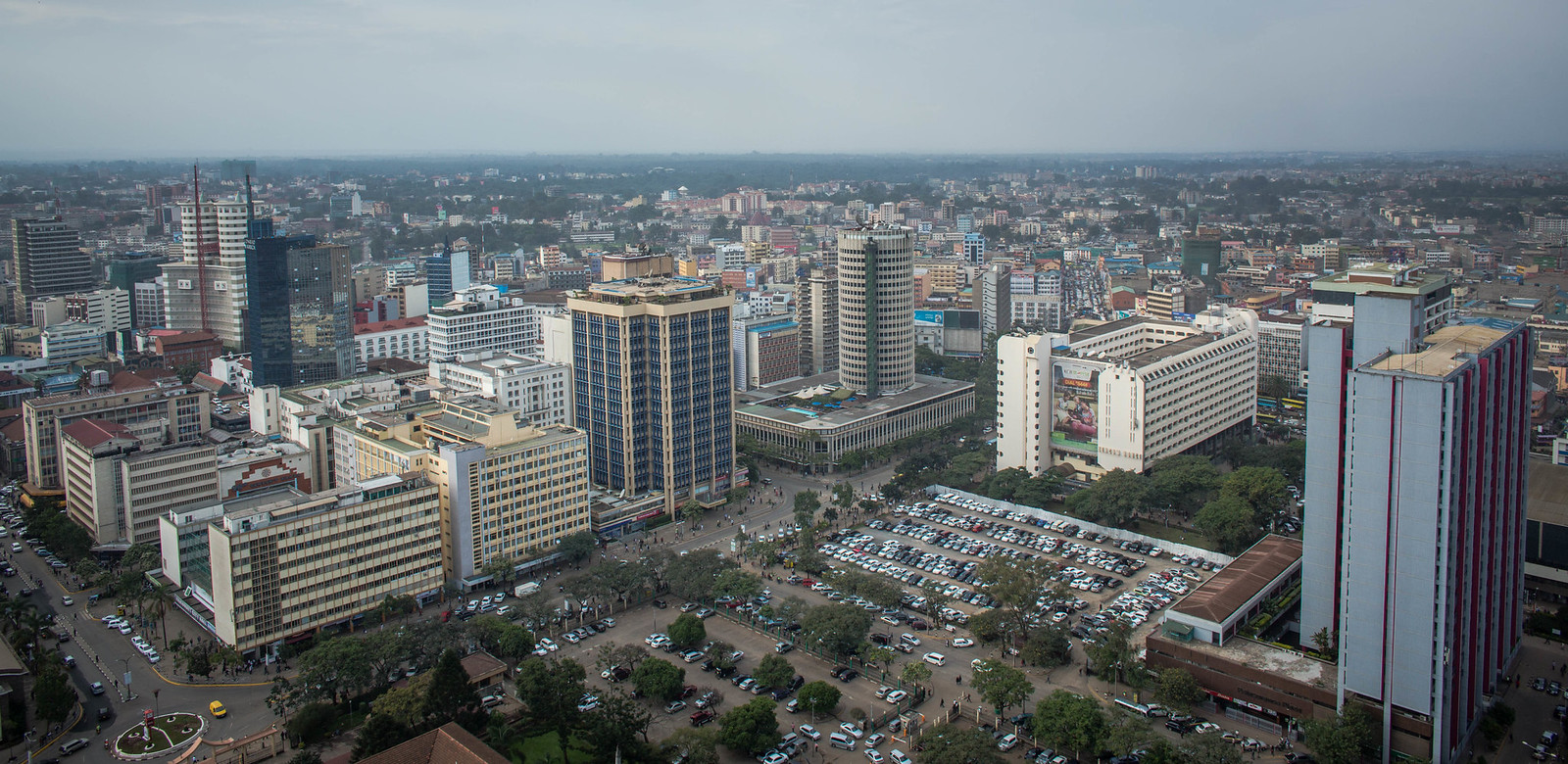
For three days in April, Nairobi was the centre of Africa's urban policy world. Heads of state, ministers, mayors and developers from across the continent gathered at the Kenyatta International Convention Centre for the Second Africa Urban Forum (AUF2) under the theme "Adequate Housing for All". A few weeks later, 400+ international investors descended on the Radisson Blu, Upper Hill, for the 13th East Africa Property Investment (EAPI) Summit under the theme "Renewed Momentum."
Two events. One unmistakable message: the Nairobi real estate market is entering a new phase — more institutional, more affordable-housing focused, more digitally enabled, and increasingly attractive to investors who think long-term. For anyone planning to buy a house in Nairobi or invest in property for sale in Nairobi this year, the insights from these summits are essential reading.
1. Urbanization Is the Headline Story
The single biggest theme at AUF2 was demographic. Africa's urban population is on track to double to 1.4 billion by 2050, with nearly two-thirds of Africans living in cities. In Kenya, the urbanization rate sits at roughly 3.7% per annum — significantly higher than the global average of 1.6%. Nairobi alone is now home to approximately 6 million people in its metropolitan area, growing by more than 235,000 residents each year.
What does this mean for property buyers? Demand is structural, not speculative. Every year, hundreds of thousands of new urban residents need somewhere to live — driving sustained demand for both ownership and rental housing across the Nairobi metropolitan area.

2. The Housing Deficit Is the Investor Opportunity
Speakers at the EAPI Summit were direct: Kenya has a residential housing deficit of over 2 million units, requiring approximately 250,000 new units annually to close the gap. Combined public and private delivery currently meets only around 20% of that target. That mismatch is precisely what makes Kenya real estate trends 2026 so compelling for investors.
The opportunity sits across three tiers:
- Affordable housing — the largest deficit, addressed through the Boma Yangu / Affordable Housing Programme
- Mid-market apartments — strong demand from young professionals and small families in areas like Kilimani, Kileleshwa and the satellite towns
- Premium residential — sustained demand from corporates, expats and diaspora in Westlands, Lavington and General Mathenge
3. The Affordable Housing Programme Has Reached Real Scale
One of the most cited data points at AUF2 was the Boma Yangu milestone. As of early February 2026, registrations on the government's affordable housing platform crossed 1.1 million users — more than double the 500,000 figure from a year earlier. Over 262,000 units are reported to be under development across 111 constituencies in all 47 counties.
Delivery has lagged ambitions. The State Department of Housing reported that completed units between July 2022 and June 2025 numbered approximately 2,075 — a fraction of the 250,000-per-year target. Still, key milestones in 2026 — including handovers in Kakamega, Nandi and elsewhere, plus the launch of 4,096 units in Starehe, Nairobi — show the programme is no longer just on paper.
For first-time buyers, the Affordable Housing Programme remains one of the most accessible routes onto the property ladder in Kenya. For private developers and investors, it's a clear signal that government-backed demand will anchor the lower end of the market for years.
4. Westlands, Kilimani and the Satellite Towns: Where Investors Are Looking
Nairobi's residential market is no longer monolithic. Three distinct zones each tell a different story.
Westlands Nairobi property investment remains the benchmark for premium real estate. Westlands has positioned itself as Nairobi's commercial and lifestyle hub, anchored by Sarit Centre, Westgate, the Nairobi Expressway and a dense cluster of multinationals. According to industry data, 1-bedroom apartments in Westlands typically range from KES 7M to KES 12M, with 3-bedroom units commanding KES 18M to KES 35M+. Gross rental yields sit between 5% and 7%, but expat-driven demand pushes top-tier yields meaningfully higher.
Kilimani is the engine room of Nairobi's apartment market — the most transacted, most developed and most diverse mid-to-upper segment in the city. Apartment prices in Kilimani currently range from approximately KES 5.4M for compact 1-bedroom units to KES 22M+ for 3-bedrooms, with gross yields between 5.5% and 7.5%. The area's challenge is supply: new development pipelines remain heavy, which moderates capital appreciation but keeps tenant choice strong.
Satellite towns — Ruaka, Syokimau, Athi River, Kitengela, Ruiru, Juja and Tatu City's surrounds — are reshaping where middle-income buyers actually purchase. A 3-bedroom apartment in Ruaka typically lands at KES 8M–10M, compared with KES 13M+ for an equivalent unit in Kilimani. Combined with rental yields of 7%–10%, infrastructure rollout (Nairobi Expressway, SGR commuter rail, bypass roads), and lifestyle integration in places like Tatu City, satellite towns now host one of the most attractive risk/reward profiles in the country.
5. Government Policy: Affordable Housing, Infrastructure and Capital Markets
Three pillars of policy framed both summits.
The Affordable Housing Programme remains the most visible. Backed by a Housing Levy that has mobilized over KES 170 billion cumulatively, the programme has a long-term budget of approximately KES 627 billion through 2032. Despite delivery lags, monthly inflows are now exceeding KES 6 billion, and the State has committed to ramp construction.
Infrastructure is the second pillar. The Nairobi Expressway, SGR commuter lines, the Western Bypass, and ongoing road expansions have repriced large parts of the metropolitan area — turning peri-urban land into viable residential markets and shrinking commute times to the CBD.
The third pillar is capital markets reform. The March 2026 listing of the ALP REIT — the first industrial REIT in East Africa and the first dollar-denominated REIT on the Nairobi Securities Exchange — was widely cited at EAPI as a watershed moment. Together with traditional Income REITs and Development REITs, the market now offers genuinely accessible ways for ordinary Kenyans, pension funds and diaspora investors to gain exposure to real estate without buying physical property.
6. The Emerging Trends: Mixed-Use, Smart Cities and Sustainability
If you walked the AUF2 exhibition hall, three product categories dominated.
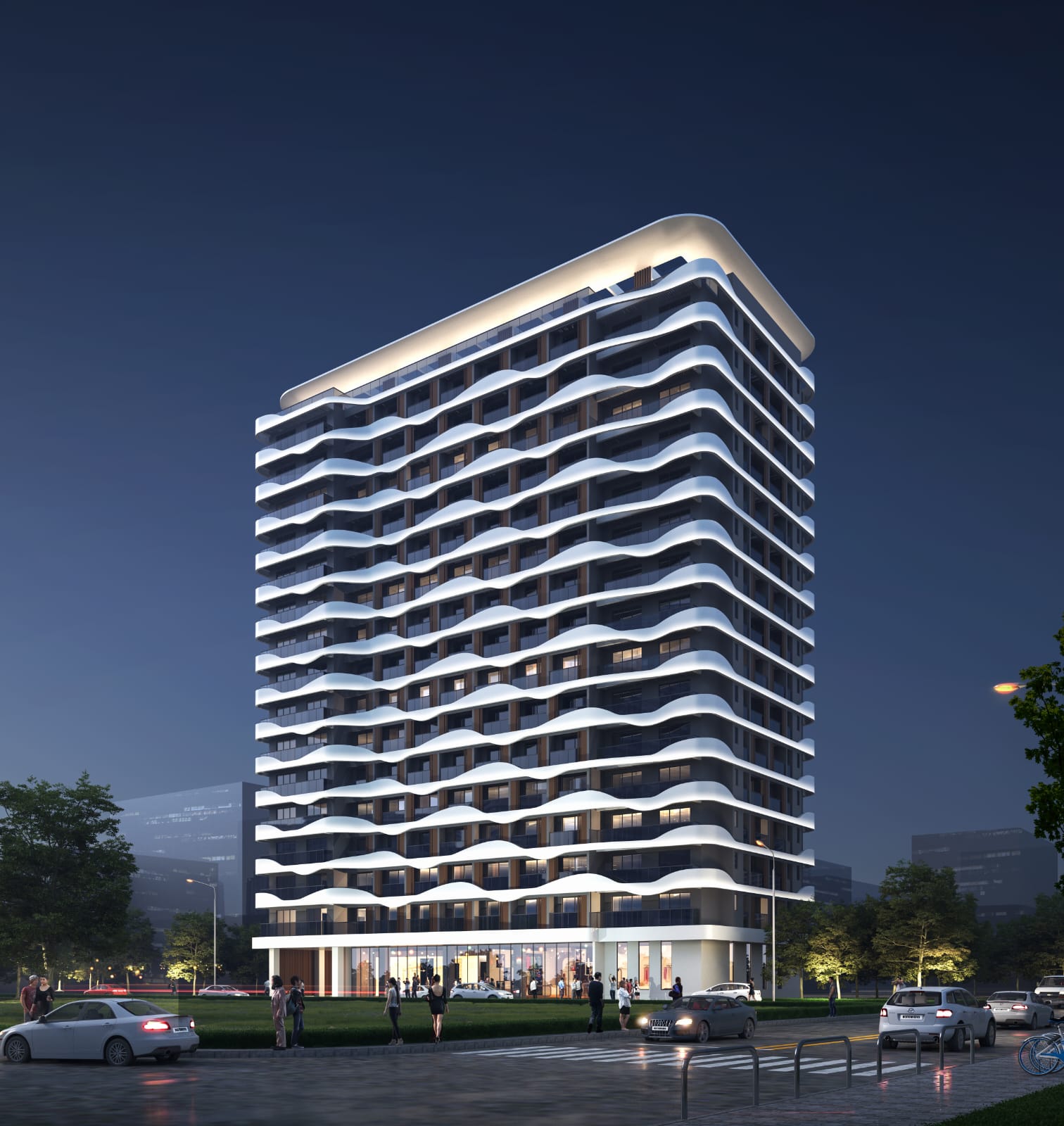
Mixed-use developments are now the default model for any large-scale project in Nairobi. The logic is simple: residents want to live, work, shop and play within walking distance, and developers want diversified rental income across asset classes. Tatu City in Ruiru, Tilisi near Limuru, and Northlands City all follow this template.
Smart cities moved from concept to construction. Konza Technopolis is approximately 80% complete on Phase 1 infrastructure, with a science-and-technology university campus operational. Tatu City has roughly 3,000 homes built or under development, plus dozens of operating businesses and schools. The Railway City project in central Nairobi is expected to follow.
Sustainability and green finance were repeatedly highlighted. ALP's industrial parks were among the first in Africa certified to IFC EDGE Advanced standards. Climate finance and public-private partnerships are increasingly the funding model of choice — particularly as investors place a higher premium on energy-efficient, climate-resilient buildings.
7. What the Insights Mean for You
If you are a property buyer: The fundamentals support buying now rather than later. Construction costs are rising, lending rates are softening from their 2023–2024 peaks, and well-located stock (Kilimani, Westlands, Ruaka, Syokimau) continues to appreciate steadily. For first-time buyers, registering on the Boma Yangu platform alongside exploring private listings is a sensible parallel strategy.
If you are an investor: The Institutional Era thesis from EAPI is the playbook. Focus on locations with infrastructure tailwinds, developers with proven delivery track records, and asset classes with structural undersupply — affordable housing, student housing, logistics, healthcare real estate and mid-market apartments in growth corridors. Be cautious of generic luxury stock in oversupplied micro-markets.
If you are a developer: The market rewards scale, transparency and ESG credentials. Mixed-use, sustainable and digitally-enabled projects attract international capital. Single-asset, opaque, speculative plays increasingly struggle to find institutional financing.
8. The Risks Buyers and Investors Should Track
No honest market summary can ignore the headwinds. Kenya's debt-to-GDP ratio remains elevated, with a meaningful share of government revenue going to debt service. Real estate's contribution to GDP — while still significant at 8.4% — has moderated from a peak above 9% in 2018, reflecting tighter financing and rising construction costs. Pockets of oversupply exist in older Kilimani stock and certain Westlands sub-markets. As always, the building matters as much as the neighbourhood, and the agent matters as much as the building.
How H2H HomeBridge Helps You Navigate the Nairobi Real Estate Market
H2H HomeBridge LTD operates across Nairobi's most active residential corridors — Westlands, Kilimani, Kileleshwa, Lavington, Ruaka, Syokimau and beyond. Whether you're looking to buy a house in Nairobi for occupation, build a rental portfolio, or explore satellite-town opportunities, our team provides clear, transparent, fee-honest guidance from search through to completion. The summits laid out the landscape; we help you take the right step within it.